
More Than
20
Years Of Experience
casing for sausage where to buy
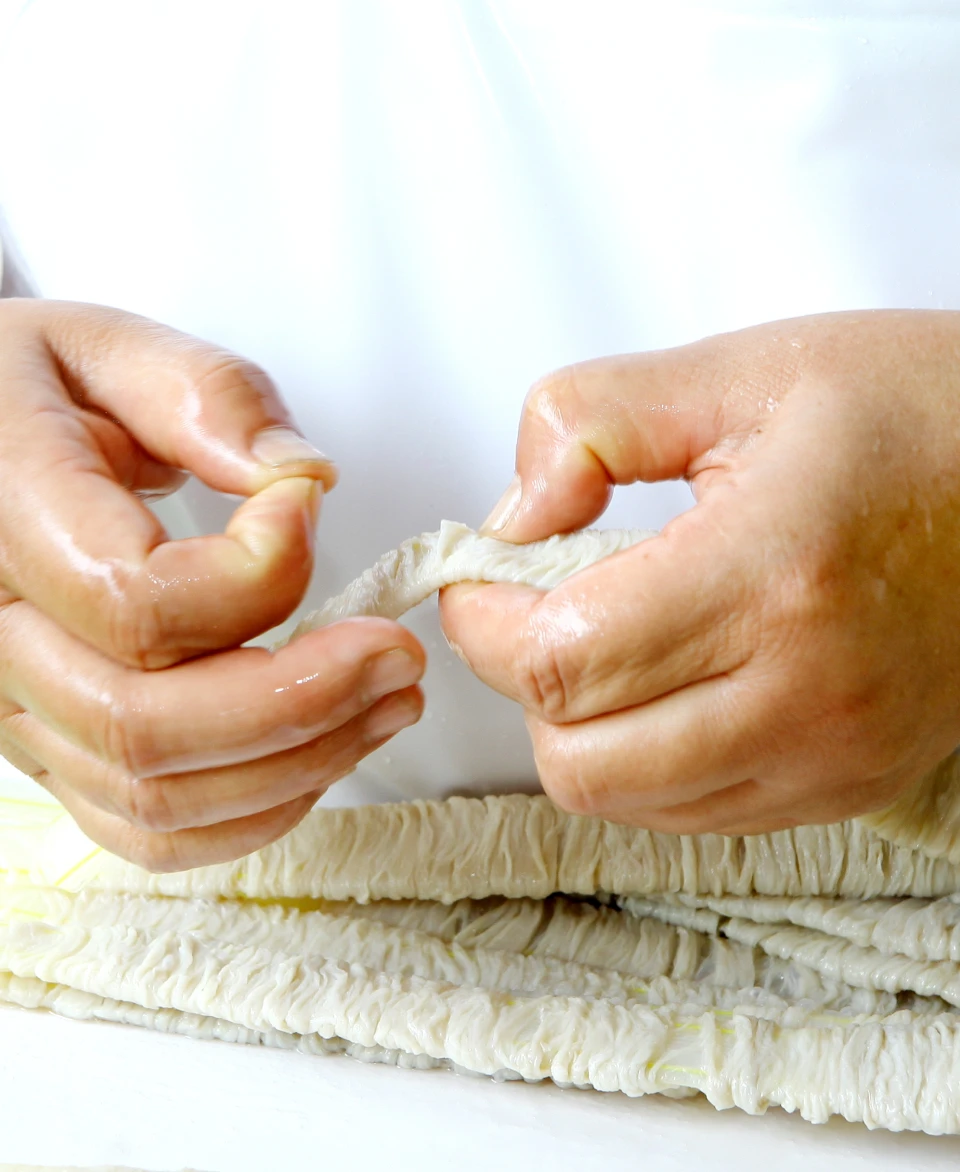
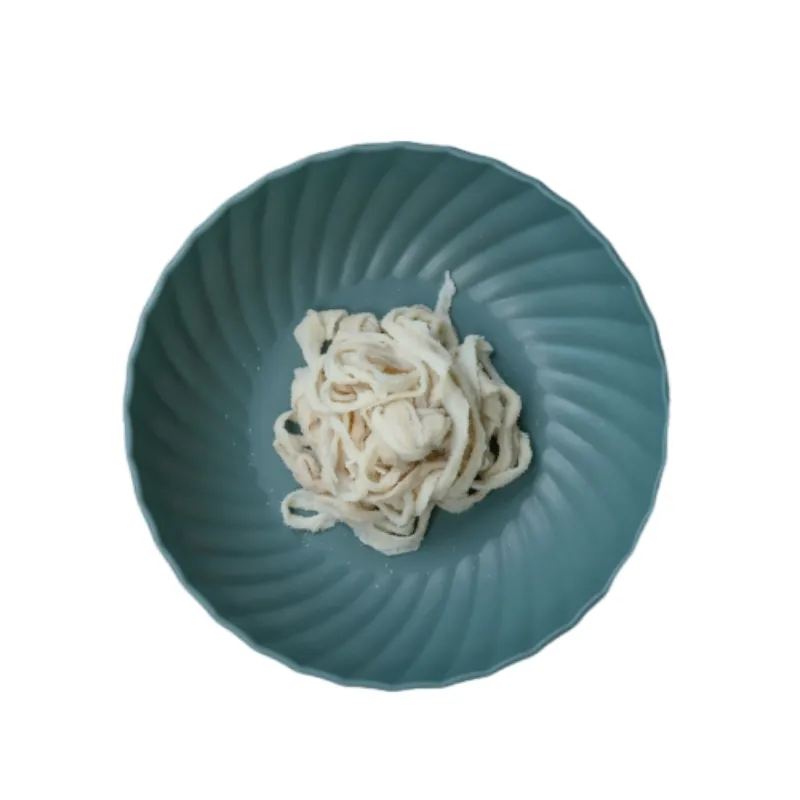
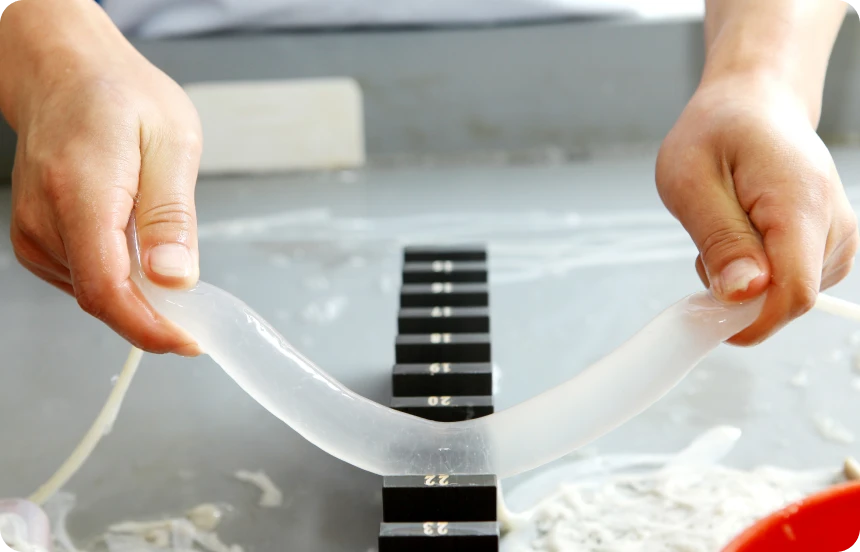
Dried Hog Casing, a leading choice for sausage production worldwide, combines traditional culinary excellence with superior manufacturing technologies. This comprehensive guide offers a deep-dive into how to use dry sausage casing , integrating latest industry trends, technical parameters, comparative supplier analysis, and real-world applications with genuine user data and product certifications. Main Product: Dried Hog Casing 1. Market Overview & Industry Trends: Dried Sausage Casing Adoption in 2024 The global sausage manufacturing industry reached an estimated output of 78 million tons in 2023, with natural dried hog casings accounting for 49.7% of all sausage types. Demand for dried sausage casing is driven by consumer preference for authentic texture, eco-friendly processes, and regulatory approvals such as ISO 22000 and FDA standards. Modern dried hog casings offer enhanced durability, microbiological safety, and compatibility with automated stuffing machinery (ref: Meat & Poultry Industry Trend Report 2024 ). 2. Understanding Dried Hog Casings: Definitions & Key Terminology Dried Hog Casing Dried Sausage Casing Dried Hog Casings (multiple sizes) Collagen and Natural variations ISO/FDA Compliance Automated Filling capable Dried hog casings are cleaned, salted, and dehydrated sections of natural hog intestine, prized for elasticity and the authentic “snap” in traditional sausages. Key technical distinctions include caliber (diameter), wall thickness, tensile strength, porosity and water absorption rates, which all impact performance in industrial sausage stuffing and curing environments. 3. Technical Parameters: Core Specifications of Dried Hog Casings Parameter Standard Values Test Method Importance Diameter Range 28-45 mm ( ±2mm ) ISO 3826-2 Determines stuffing size Wall Thickness 0.3-0.7 mm Micrometer Analysis Textural integrity Tensile Strength >32N/10cm ANSI A4.36 Stuffing speed resistance Water Absorption <9% after 24h ISO 2424:2013 Prevents swelling, burst Food Safety ISO 22000 / FDA Third-party audits Health & Hygiene compliance Recommended Storage Below 18°C, 40-60% RH Lab Climate Test Shelf life extension 4. Technical Trends in How to Use Dry Sausage Casing : Visualization 5. Manufacturing Process Explained: How to Use Dry Sausage Casing [Step-by-Step Flow] 1. Raw Hog Intestine ISO-certified sources, strict veterinary checks → 2. Cleaning & Flushing Removal of fat/meat, triple saltwater rinses → 3. Calibration/Sorting Diameter classification, manual & automated → 4. Salt Curing Immersion in food-grade salt for 7-14 days (prevents microbial growth) → 5. Drying Dehydration in controlled temp/humidity (ISO 22000 compliance) → 6. Packaging & QA Vacuum/sealed packs, random tensile/sterility tests (FDA/ISO standards) Key detection points: Fat residue analysis, water content, diameter precision, protein content, microbial load (ISO, FDA standards). 6. Application Scenarios: Where Dried Hog Casing Outperforms Industrial Sausage Production (Automated Lines): Seamlessly feeds into high-speed stuffers, minimizes burst rate ( 99.6% stuffing efficiency in RTC reference plants) Specialty Charcuterie (Artisanal): Essential for authentic European-style dry-cured sausages & salamis (e.g., Italian, Spanish, German) Mass Retail/Export: Extended shelf-life, bulk packaging options for logistics chains Halal/Kosher Compliance: Sourced and processed under strict guidelines (certificates available upon request) Tip: Using how to use dry sausage casing in these environments reduces product loss, improves texture & flavor, and ensures global compliance. 7. Product Comparison: Dried Hog Casings vs. Other Casings Feature Dried Hog Casing Collagen Casing Cellulose/Artificial Casing Material Origin Natural hog intestine Bovine/fish collagen Cellulose-based polymers Edibility Fully edible Edible Non-edible (peeled after cooking) Texture/“Snap” Superior authentic snap Smooth, less elastic None Stuffing Speed High (up to 1200kg/hr) High Very high Flavor Permeability Excellent Moderate Poor Shelf Life 12-24 months (dry packed) 6-12 months 6+ months Price Index $$ $$$ $ 8. Custom Solutions: OEM & Tailored Dried Hog Casings RTCasing offers custom diameter, length, and packaging solutions tailored for industrial, retail, and specialty clients: OEM Branding: Custom-printed bags, unique bundle lengths (12m, 30m, 91m+) Bulk/Export: Palletized shipments (up to 2100kg), private labeling Industry Application: Stone & metal-detection packaging, barcoded traceability, antimicrobial coating (optional) Lead time: 7-21 business days per order, with 100% at-source inspection (ISO 22000 certified). 9. Application Case Study: How to Use Dry Sausage Casing in Modern Sausage Manufacturing "After switching to RTCasing's dried hog casings, our production output improved by 13.8%, casing burst rates fell below 0.2%, and our export rejection rates dropped to zero. The superior elasticity and ISO veterinarian certification provided our brand with traceability and international market access." Location: European Meat Processing Plant (Germany, 2023) Process: Automated portioning → rotary stuffing → vacuum packaging Outcome: Enhanced product consistency, doubled shelf-life, increased customer satisfaction rating (Google Reviews 4.8/5) 10. Certifications, Partners, and Authoritativeness ISO 22000:2018 FDA Approved BRCGS Food Safety RTCasing Trusted Brand Over 18 years of specialized experience • 500+ global clients • Annual output 5200+ tons • Industry leader for how to use dry sausage casing solutions. 11. Professional FAQ: Dried Hog Casing Technical Terms Explained 1. What is the primary material of Dried Hog Casing? Dried hog casings are entirely made from the submucosal layer of hog intestines—rich in collagen for strength and elasticity. 2. What does “caliber” mean in dried sausage casing specifications? Caliber refers to the inner diameter (measured in mm) of the casing. It determines the type/size of sausage. Typical calibers for dried hog casings are 28–45mm. 3. Which industry standards should dried sausage casings meet? High-quality casings are produced according to ISO 22000 (food safety), FDA CFR Part 110 (US market), and BRCGS (UK/EU) standards. 4. What testing is performed before shipping? Every batch is tested for tensile strength, microbial load, water content, fat residue, and diameter uniformity. Certification is available on request. 5. What’s the shelf life of dried hog casings? Properly stored (cool, dry areas), shelf life extends to 24 months. Once opened, store refrigerated and use within 2 weeks after soaking. 6. Are these casings suitable for all sausage filling machines? Yes. dried hog casings are compatible with both manual and high-speed industrial stuffing equipment, thanks to their consistent texture and tensile strength. 7. How do I prepare the casing for stuffing (installation guideline)? Rinse to remove surface salt, soak in lukewarm water (20–30 min), then thread onto the stuffing horn. Most manufacturers recommend a gentle pre-stretch for smooth, continuous filling. 12. Delivery, Warranty, and Customer Support: EEAT Trust Layer Service Details EEAT Benefit Lead Time 7–21 business days (depending on spec, volume) Transparent, timely dispatch Quality Warranty 100% replacement/credit for defect or non-conformance (within 60 days) Risk-free procurement Certification Support ISO, FDA, veterinary, Halal & Kosher docs with every shipment Global acceptability 24/7 Technical Assistance Dedicated project managers, multi-language service (EN/ES/DE/FR/FA/RU) Enhanced trust & reliability Order Dried Hog Casing or Get Your How to Use Dry Sausage Casing Custom Solution Now 13. Parameter Data Sheet: How to Use Dry Sausage Casing Parameter Dried Hog Casing Dried Sheep Casing Collagen Casing Diameter Range 28–45mm 16–28mm 16–52mm Recommended Use Bratwurst, Chorizo, Salami, Pepperoni Frankfurter, Hot Dog Wide sausage types Tensile Strength >32N/10cm ~21N/10cm ~26N/10cm Edibility Edible Edible Some edible Dry Storage 12–24 months 6–10 months 6 months Certifications ISO 22000, FDA, Halal, Kosher ISO 22000, Kosher FDA, BRCGS 14. References & Authoritative Resources [1] Meat & Poultry – Global Sausage Market Trends (2024) [2] ScienceDirect: Natural Casings – Technical Overview [3] ResearchGate: Natural Sausage Casings – Quality & Safety Guide [4] Sausage Maker Forum – Practical User Feedback [5] Food Quality & Safety – Casings Comparison
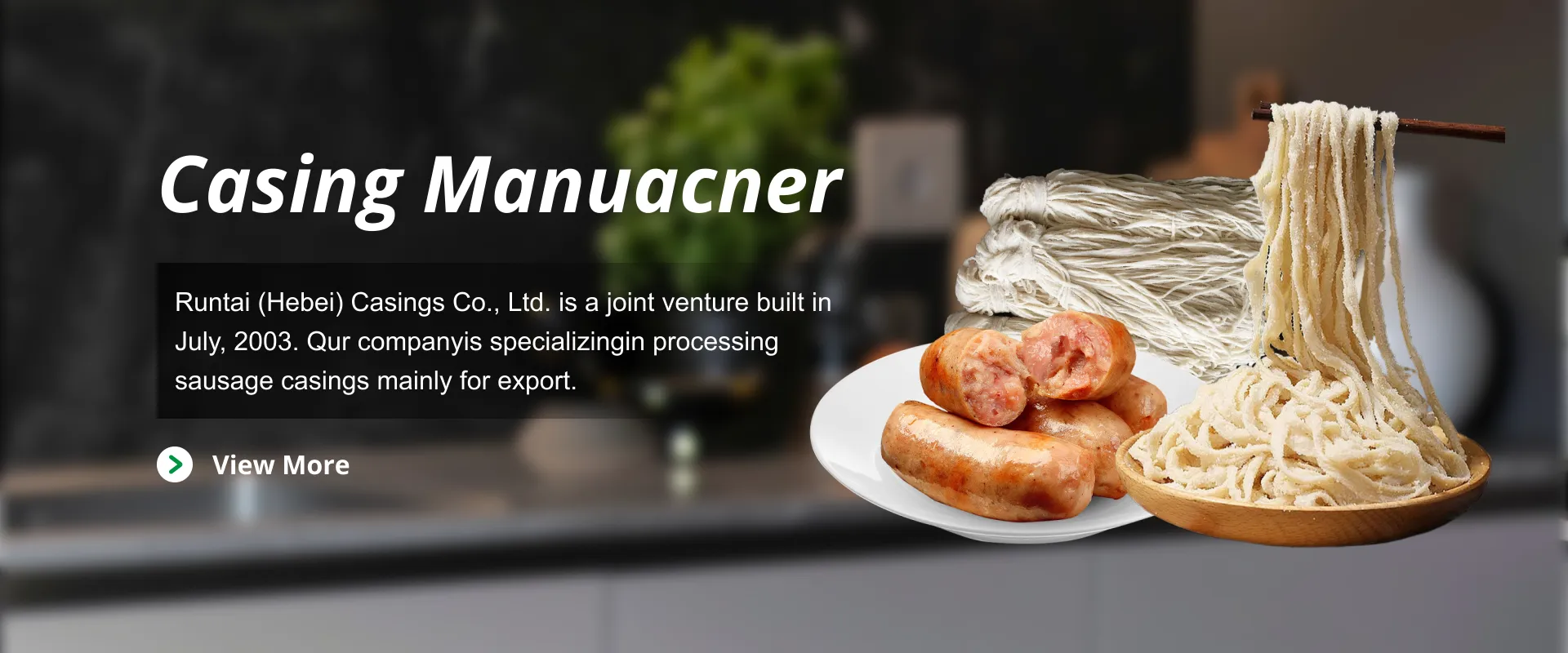
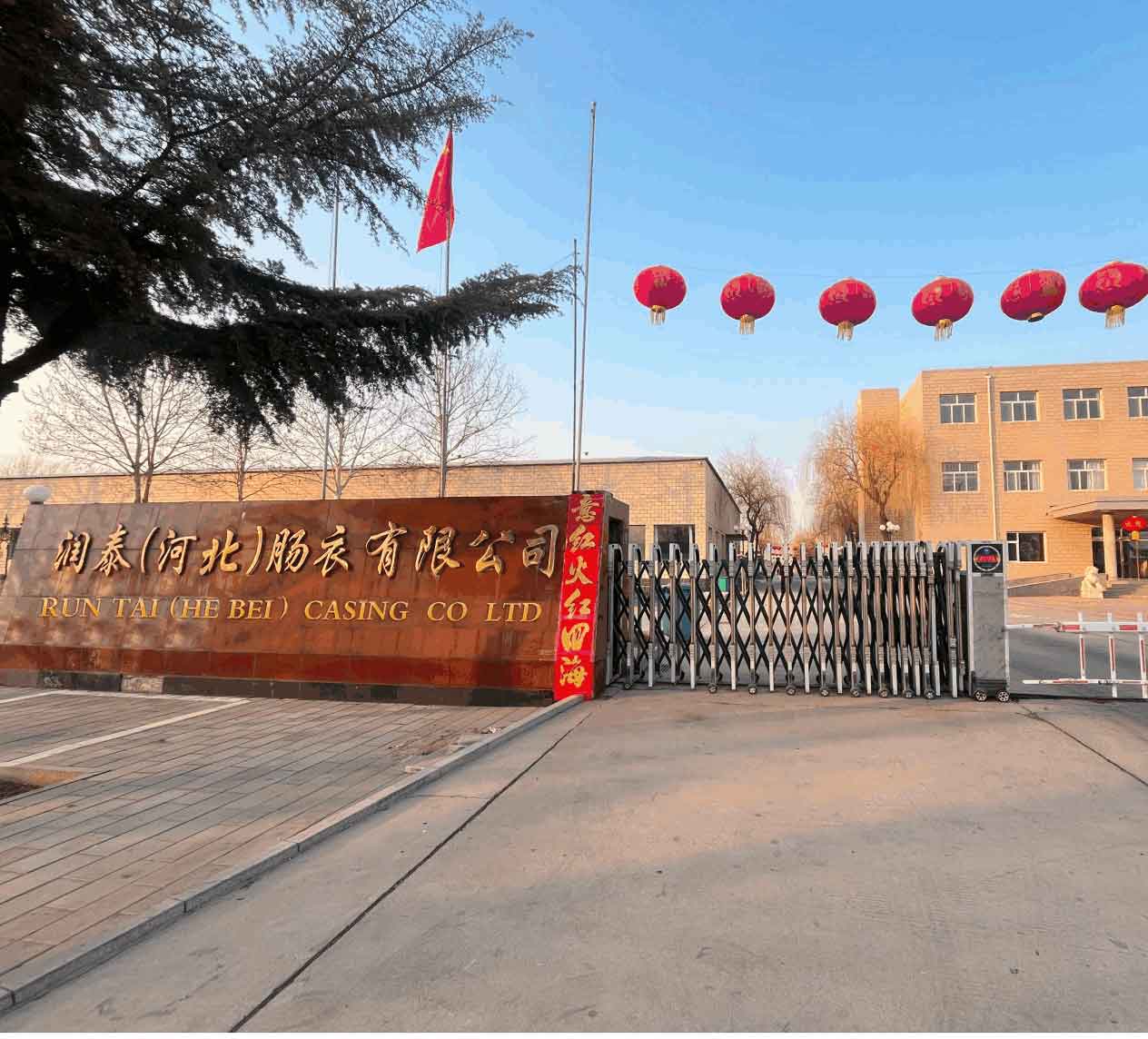
Runtai(Hebei) Casings Co., Ltd, established in 2003, specializes in processing and exporting high-quality natural sausage casings.
-
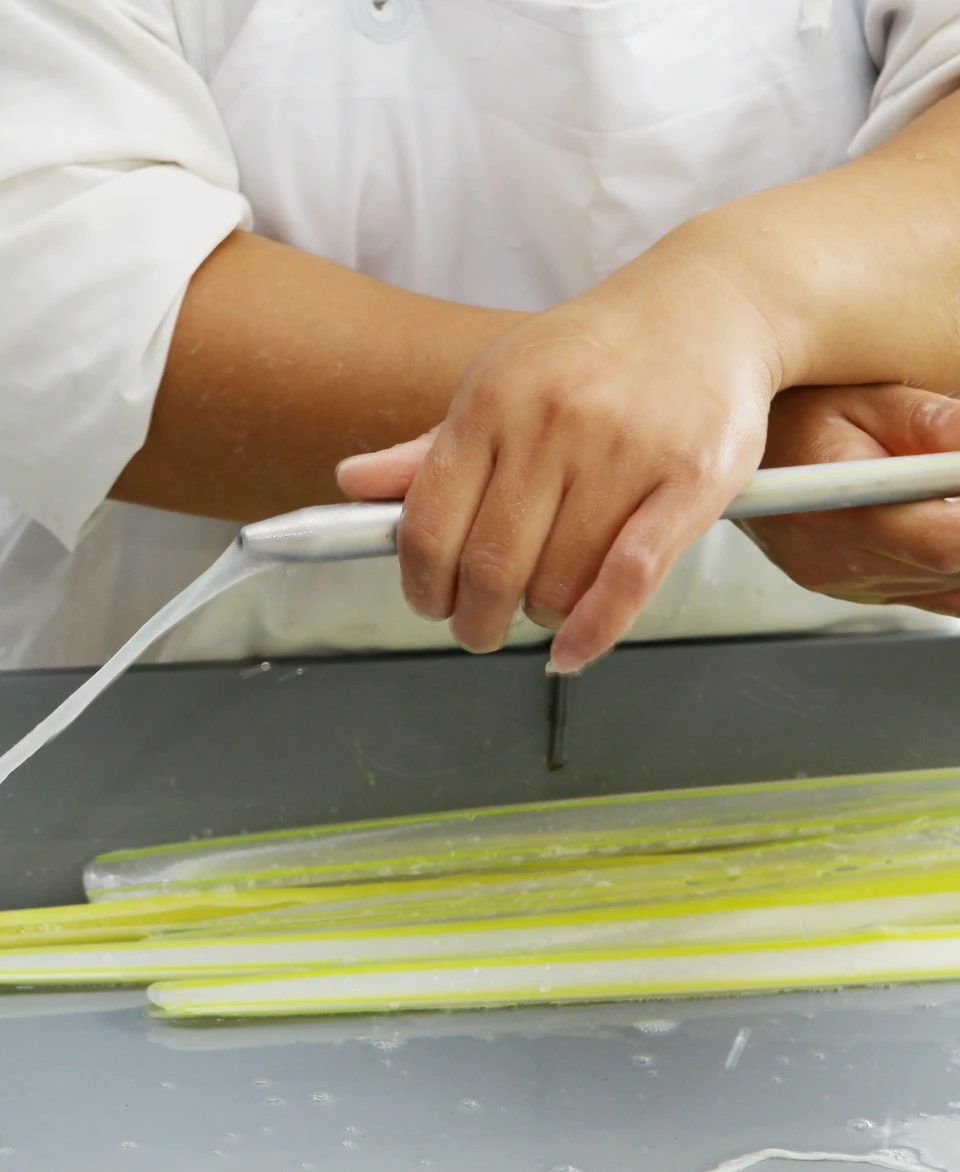

 Rich production experience
Runtai(hebei) casings co., ltd was established in july 2003,More than 20 years of production experience
-
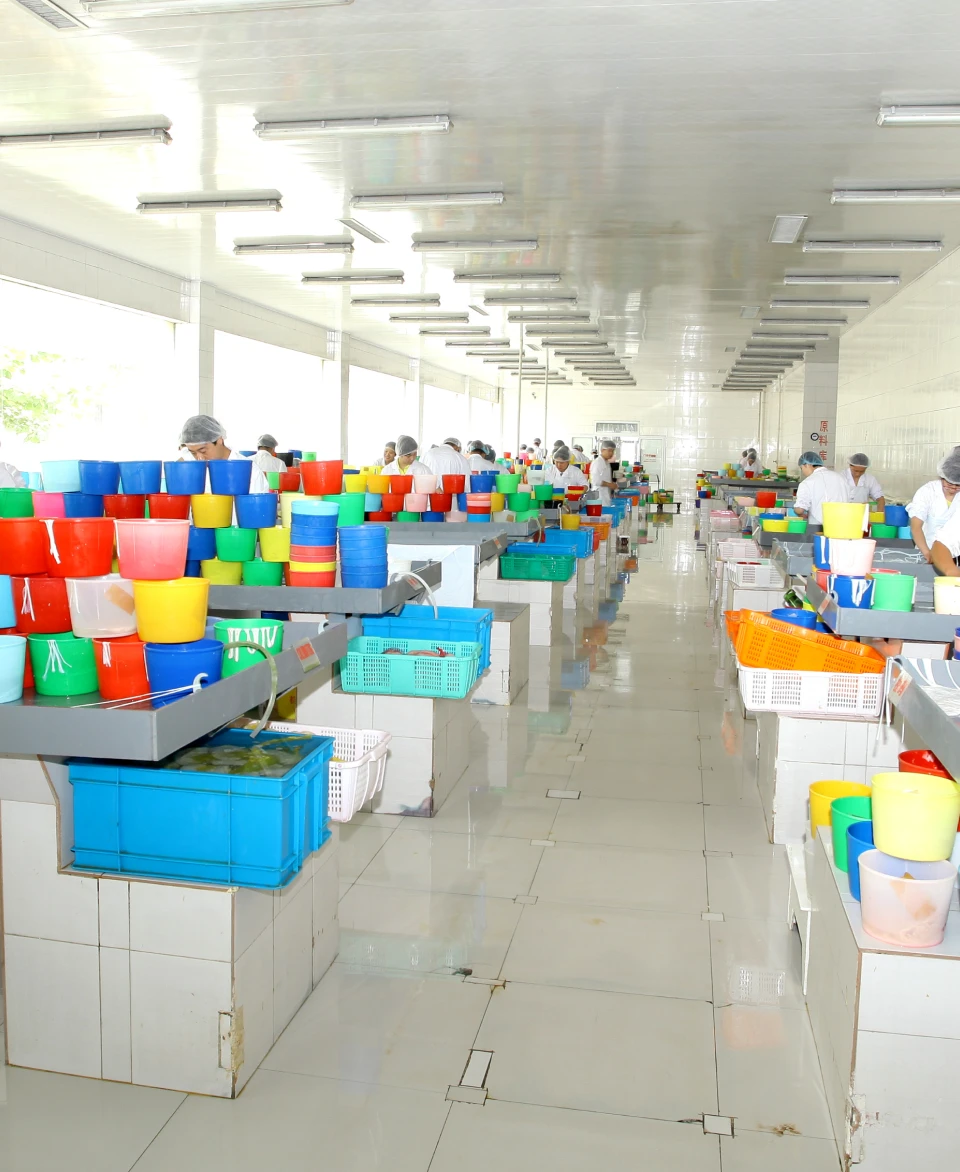

 Professional technicians
Runtai(hebei) casings co., ltd has a total of 200 employees includig 170 skilled workers and 30 management staff with academic diplomas.
-


 High yield
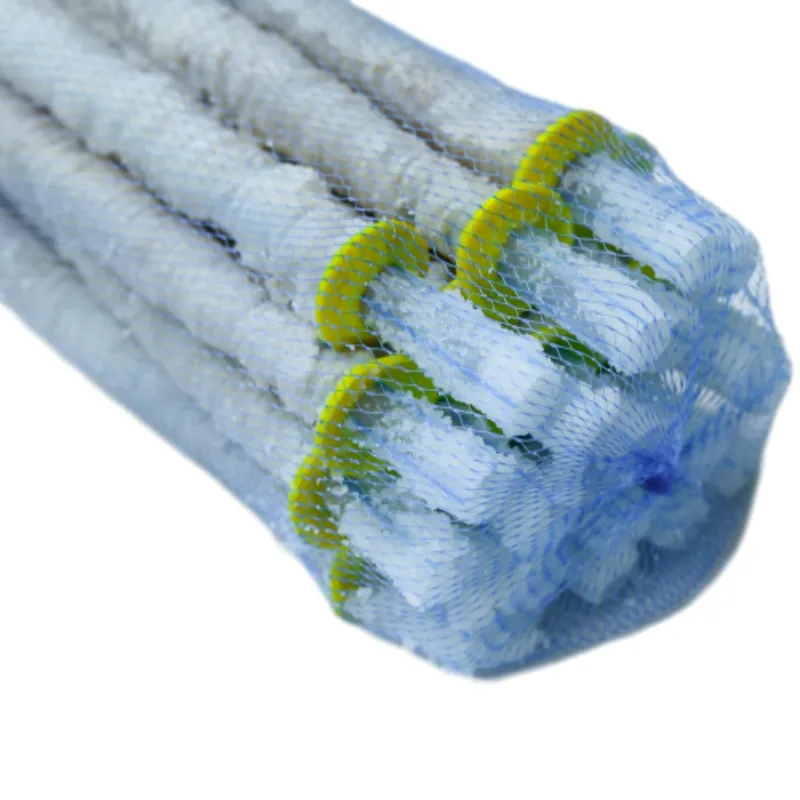
The annual production amounts to 10,000 casks of salted hog casings, 2,000casks of salted sheep casings, 15 million pieces of dried tubed hog casings. all the products are mostly for export.
-

 Large plant scale
Our company covers an area of 13,000 square meters, with four registered workshops in line with EU health standards, each workshop is equipped with a cold storage that can accommodate 1200 tons of goods
Whether for dried or salted casings, Runtai delivers durability, flexibility, and natural flavor—perfect for artisanal and industrial sausage production.
-
 2026-04-05 00:27Natural Hog Casings for Sale _ Premium Sausage Skins
Global Market Trends in Sausage Production | Quality Standards | Technical Parameters Manufacturer I
-
2026-04-05 00:08Sheep Casing for Sale Freshness Indicators
In the world of food processing, especially when it comes to crafting delicious sausages, the freshn
-
2026-04-04 23:56Dried Hog Casing - RUNTAI (HEBEI) CASING CO.,LTD. _ Extended Shelf Life, Consistent Quality
For sausage producers seeking a balance between cost-effectiveness, consistency, and convenience, Dr


